The Silent Pandemic: Understanding Antibiotic Resistance
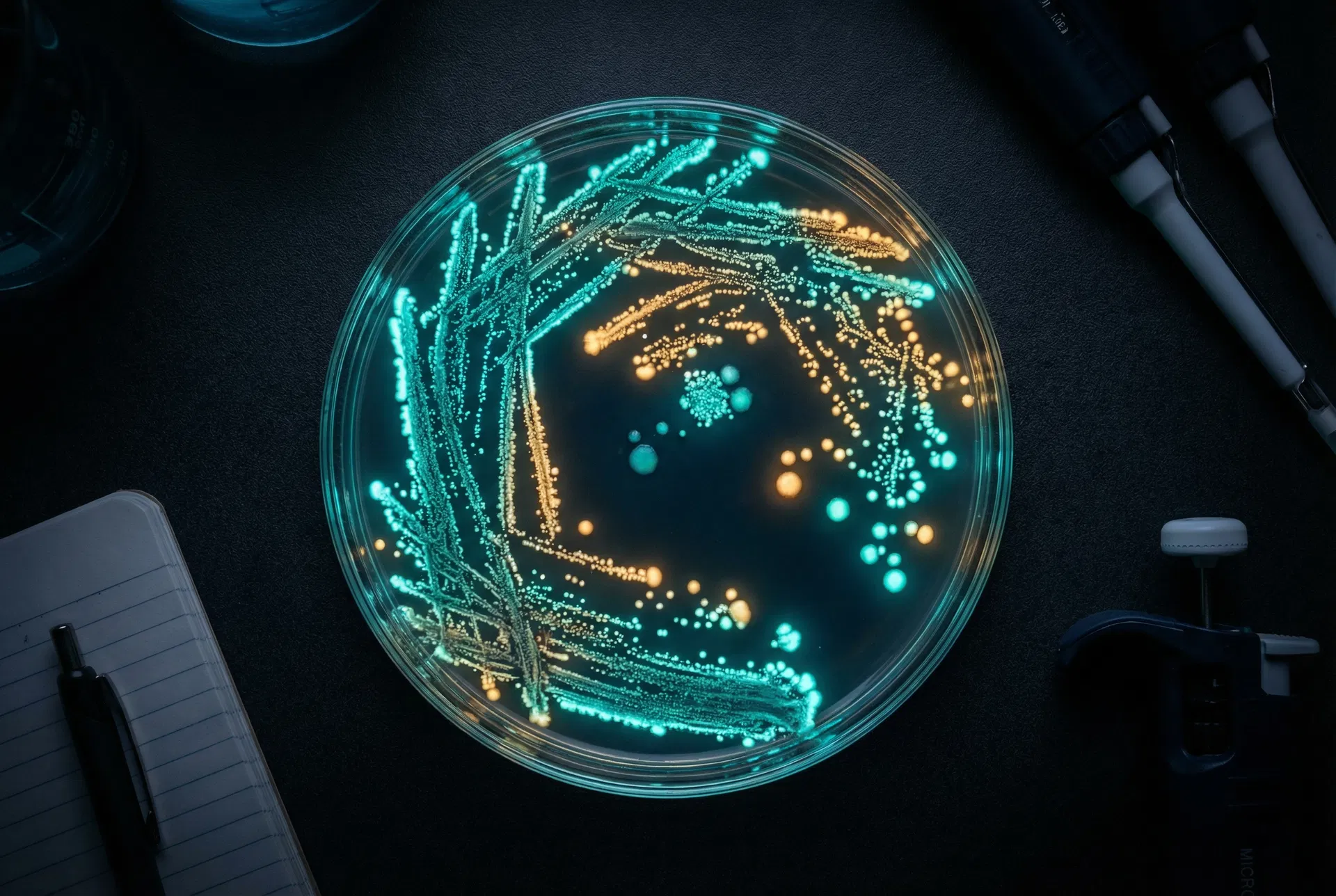
Antimicrobial resistance is one of the greatest threats to global health. Here's what's happening at the molecular level — and why it matters more than ever.
Deep dives into microbiology, immunology, antimicrobial resistance, and the science of infectious disease — written to educate and inspire.
6 articles found

Antimicrobial resistance is one of the greatest threats to global health. Here's what's happening at the molecular level — and why it matters more than ever.

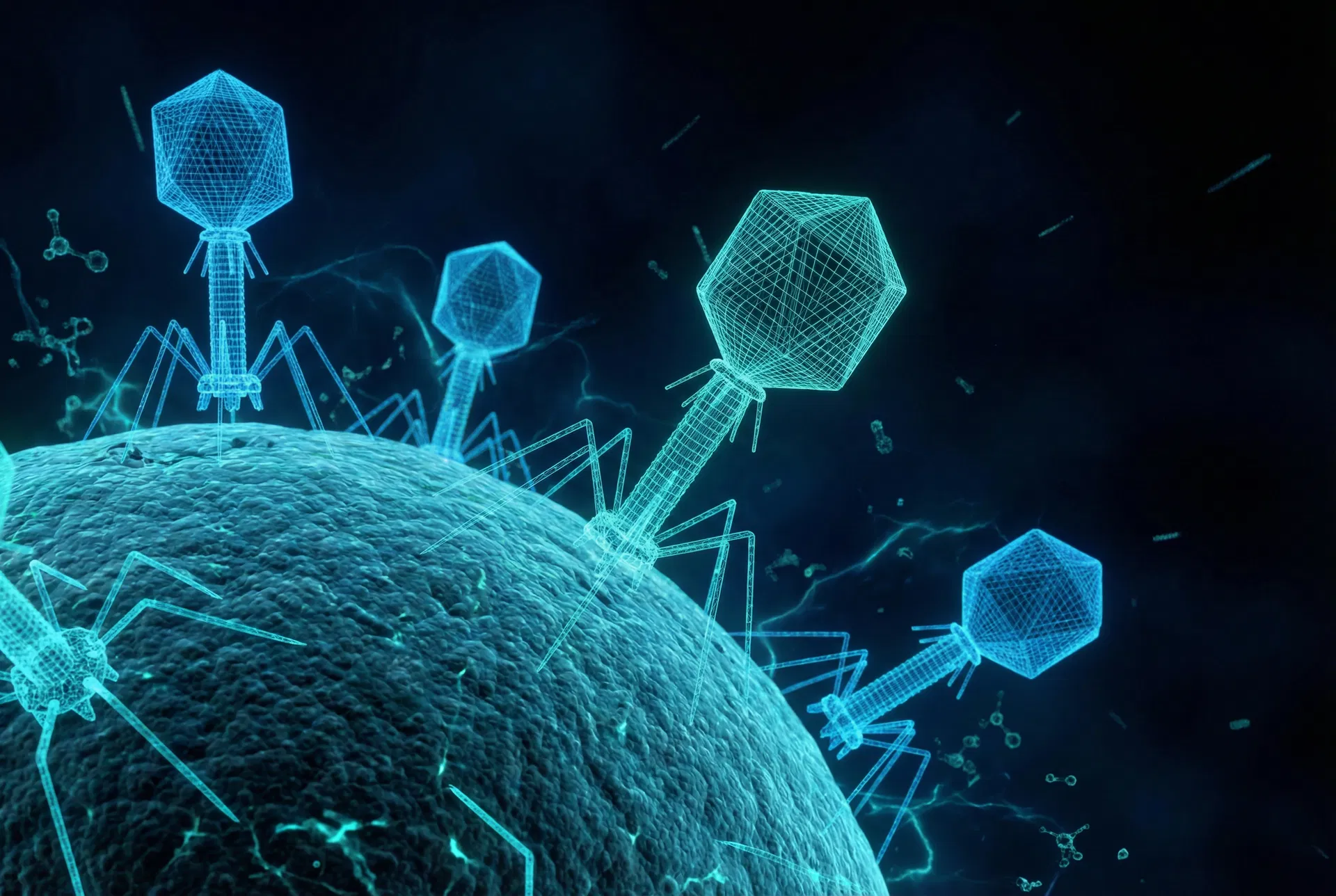
With an estimated 10^31 phages on Earth, bacteriophages are the most numerous biological entities on the planet. Their biology is as fascinating as their therapeutic potential.

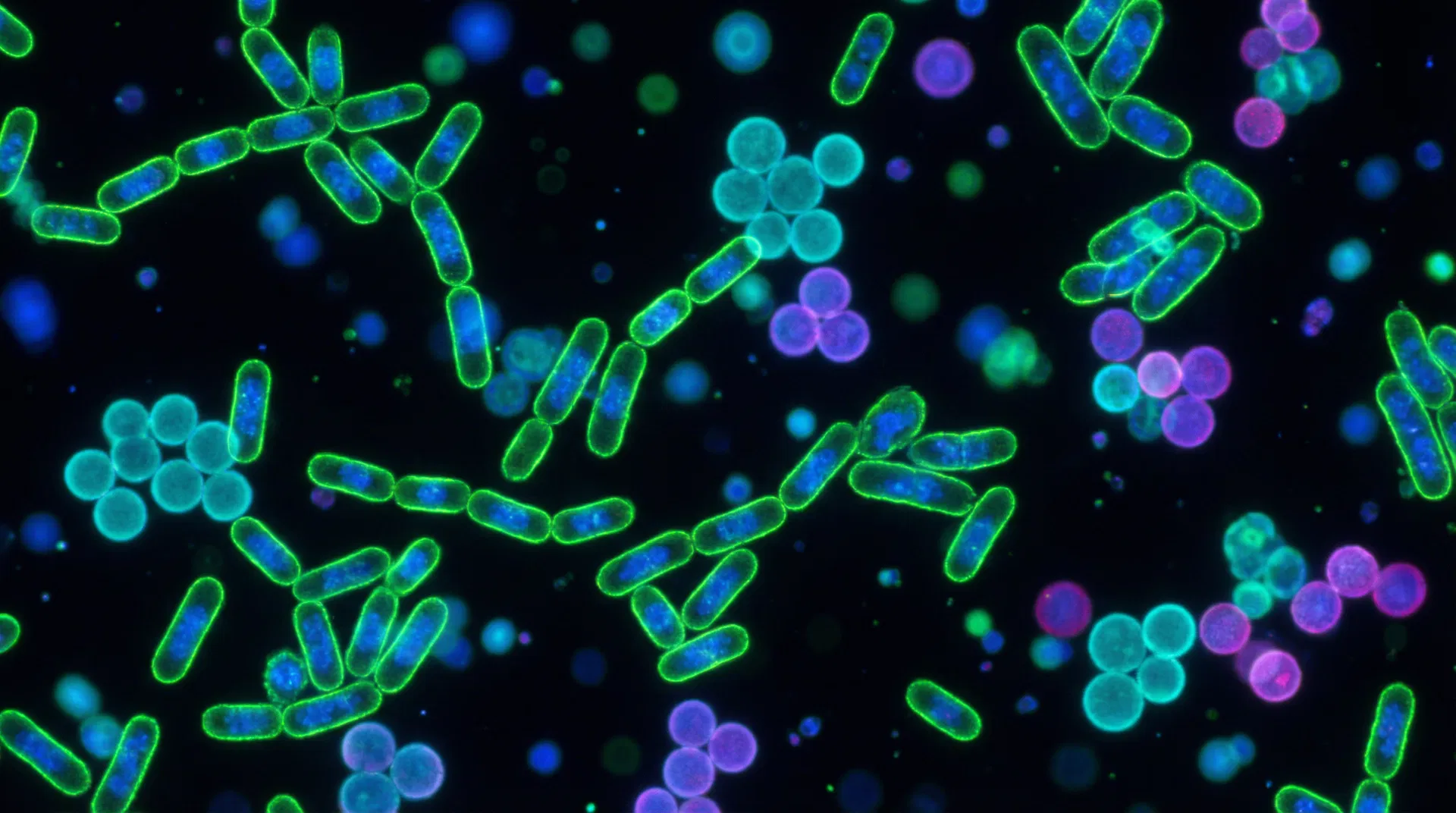
Developed by Hans Christian Gram in 1884, the Gram stain remains one of the most important diagnostic tools in clinical microbiology. Here's the chemistry behind it.

The trillions of microorganisms in your gut communicate with your brain through neural, endocrine, and immune pathways. The implications for mental health are profound.

Long dismissed as the "primitive" arm of the immune system, innate immunity is a sophisticated network of sensors and effectors that forms our first and fastest line of defence.
From the realities of bench work to career progression in clinical and research settings — an honest reflection on a career in biomedical science.