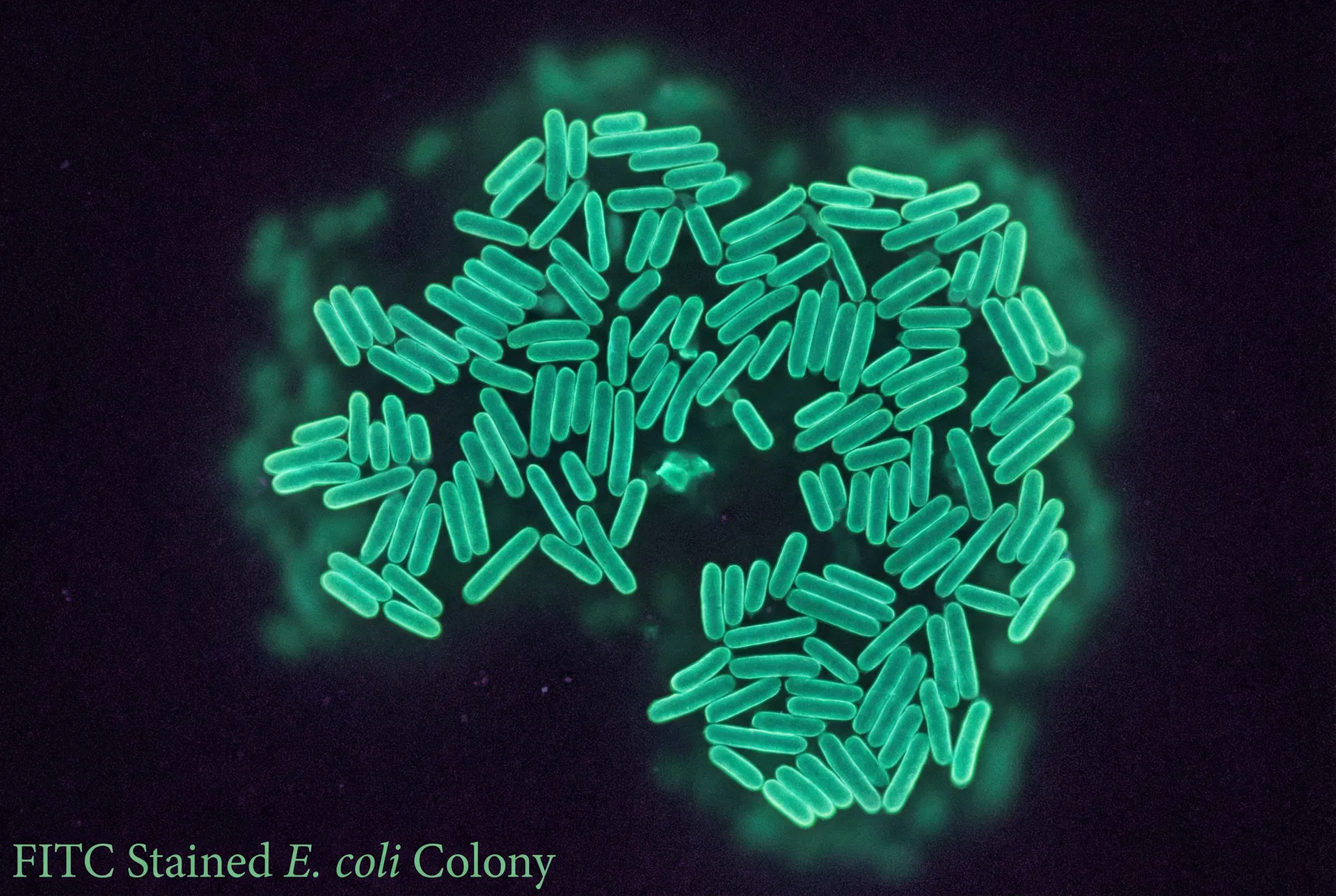
The Silent Pandemic: Understanding Antibiotic Resistance
Antimicrobial resistance is one of the greatest threats to global health. Here's what's happening at the molecular level — and why it matters more than ever.
The Scale of the Problem
Antimicrobial resistance (AMR) is projected to cause 10 million deaths annually by 2050 — surpassing cancer as a leading cause of death. Yet it remains one of the most underreported crises in modern medicine.
How Bacteria Develop Resistance
Bacteria employ several elegant — and terrifying — strategies to evade our antibiotics:
Enzymatic inactivation is perhaps the most well-known. Beta-lactamase enzymes, produced by organisms like Staphylococcus aureus and Klebsiella pneumoniae, hydrolyse the beta-lactam ring of penicillins and cephalosporins, rendering them inactive before they can reach their target.
Target modification involves altering the antibiotic's binding site. Methicillin-resistant S. aureus (MRSA) produces an alternative penicillin-binding protein (PBP2a) encoded by the mecA gene, which has a low affinity for beta-lactam antibiotics — effectively making the entire class useless.
Efflux pumps are membrane-spanning protein complexes that actively expel antibiotics from the bacterial cell. These are particularly problematic in Pseudomonas aeruginosa, which can upregulate multiple efflux systems simultaneously.
The Role of Horizontal Gene Transfer
What makes AMR particularly insidious is its transmissibility. Resistance genes don't stay within a single bacterial lineage — they spread laterally through plasmids, transposons, and integrons. A resistance gene that evolves in a soil bacterium can find its way into a clinical pathogen within years.
What Can We Do?
The pipeline for new antibiotics has been largely dry for decades. The economics of antibiotic development are unfavourable — a course of antibiotics costs far less than a chronic disease medication, and new antibiotics are held in reserve to delay resistance.
Promising approaches include phage therapy, antimicrobial peptides, CRISPR-based antimicrobials, and efflux pump inhibitors used in combination with existing drugs.
The solution will require coordinated action across agriculture, medicine, and policy — but it starts with understanding the science.